
"coffee medicine history"
500 article(s) found

Papua New Guinea Coffee Flavor introduction Fine Coffee
The law of history always tells us that a heterogeneous new civilization must bring a period or a certain degree of loss and pain to the recipient. But the situation in Papua New Guinea looks even worse, and what is happening there can only be described as chaos and bloodshed. No one can say exactly why. Frequent violence, endless tribal vendetta, lack of resources
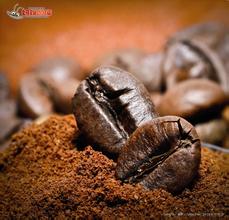
Ethiopian coffee history, culture, development Ethiopian coffee beans and Kenyan coffee beans
Ethiopia's Coffee Ceremony (African Chronicle 1) Before Christmas 2004, I was invited by friends to do technical consulting work in Ethiopia, known as the roof of Africa, for three weeks. At that time, Africa was still regarded as a dangerous region by the Chinese people. In order to buy travel insurance before departure, PICC Wuxi Company asked for instructions to Nanjing, and finally said to me that I could not help. No way, already.

The Cultural course of Coffee in Papua New Guinea
The law of history always tells us that a heterogeneous new civilization must bring a period or a certain degree of loss and pain to the recipient. But the situation in Papua New Guinea looks even worse, and what is happening there can only be described as chaos and bloodshed. No one can say exactly why. Frequent violence, endless tribal vendetta, lack of resources

The historical origin of coffee? Do you know how many
Professional baristas Please follow the Coffee Workshop (official Wechat account cafe_style) at the beginning of the seventh century, in 575 AD, the Arab Karl was grazing in the Ethiopian steppes of Africa when he discovered a coffee tree. In the eighth century, Arabs used coffee as wine and medicine. In the ninth century, Arab Islam began to drink coffee by roasting and grinding raw beans. Arab merchants in the tenth century

When traditional Chinese medicine talks about drinking coffee, I have to watch it! What's the effect of drinking coffee?
Unlike tea, coffee is imported. When Western culture collides with traditional Chinese medicine culture, let's see how traditional Chinese medicine feels the pulse of coffee! The coffee bean is taken from the fruit of the coffee tree. It is red and red in color, enters the heart, is bitter, and merges into the path of the large intestine. The taste is bitter and bitter, fried and scorched. Glycol has nourishing and relieving effects, relieving pain, diverging pungent flavor, and passing through the brain-blood barrier.

I have to watch! 15 Health-preserving functions of Coffee from the Angle of traditional Chinese Medicine
Communication of professional baristas Please follow the coffee workshop (official Wechat account cafe_style) from the perspective of traditional Chinese medicine: coffee beans are taken from the fruit of the coffee tree, red in color, hot in color, into the heart, anxious and bitter, and merged into the path of large intestine. The taste is bitter and bitter, fried and scorched. Glycol has nourishing and relieving effects, relieving pain, diverging pungent flavor, passing through the brain-blood barrier and treating.

You heard me right! A cup of coffee a day will make you live longer.
Professional barista communication, please pay attention to coffee workshop (Weixin Official Accounts cafe_style ) Public cognition generally feels that coffee is a strong irritant drink, drink too much will not only palpitations, old age will have osteoporosis problems. Not drinking coffee may seem like a health advocate's choice, but is it? According to Smart Cooky, a cup of coffee a day

Brief introduction of Arabica coffee beans, how to brew Arabica coffee powder
Follow the caf é (Wechat official account vdailycom) found that the beautiful cafe opened a small shop of Arabica coffee beans brief introduction to Arabica coffee beans (Coffea arabica), the origin of Arabica species is Ethiopia's Abyssinia Plateau (Abyssinia, now known as the Ethiopian Plateau), in the early days, it was mainly eaten as medicine (Islamic monks used as a secret medicine to cure body and mind.

Introduction to the flavor and taste of coffee manor in Arabica, Ethiopia
Arabica is deeply loved by Chinese people with a short history of coffee contact because of its strong fruity aroma. it was introduced to China by missionaries in the 19th century and was widely planted in Panzhihua, Sichuan, and the dry-hot valley of the Jinsha River in western Yunnan, where the sunshine was long and there was a big temperature difference between day and night. The local people solved the problem of insufficient seasonal rainfall by diverting water up the mountain.

The death rate of coffee drinkers has been reduced by 12%. Is coffee a new magic weapon?
In a study of more than 180000 subjects, researchers at the University of Southern California found that people who regularly drank regular or decaffeinated coffee were healthier, such as living longer, and were less likely to develop many cancers and chronic diseases. Now we have another reason to start the day with a cup of coffee. Scientists have found that drinking coffee

Sumatra Manning & #8226; Sumatra Mandheling unique Flavor Origin
Communication of professional baristas Please pay attention to the coffee workshop (Wechat official account cafe_style) Mantenin in Sumatra has woody tone and mellow taste and low acidity. The wet peeling method developed due to local environmental conditions has given Sumatra coffee a unique flavor. The most obvious flavors are cedar, cocoa, herbal medicine, fermented fruit and tobacco. Sue

Omani people pay attention to multi-boutique coffee culture when drinking coffee.
Oman has a long history and splendid culture. Its residents pay attention to etiquette, dealing with people, welcome to and from all have a fixed set, from drinking coffee and other trivial things can be seen. The Omani call coffee Kahewa and like to add spices such as cardamom to the coffee. Their coffee is thick black and contains a bitter taste similar to that of traditional Chinese medicine, which is different from the mellow coffee in the West. The reporter went to Muscat
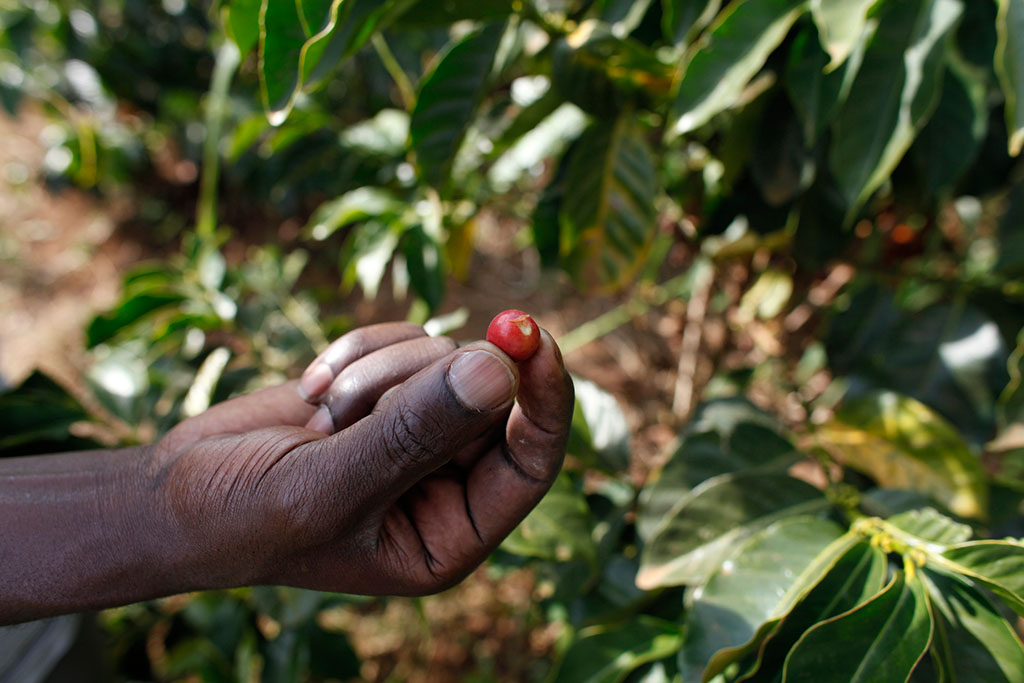
The Origin of Coffee name and the introduction of long History and Culture Coffee must be seen by beginners
The origin of the name of coffee begins with Ethiopian legend in the 5th century AD, when the sheep of the shepherd boy Kadi was so excited after eating a strange kind of red fruit that Kadi and his companions could not help but give it a try. I feel refreshed and tired out. This kind of red fruit has since become a part of the local food culture, and this red fruit is coffee.

Refill = renew your life? Coffee drinkers reduce the death rate by 12%!
In a study of more than 180000 subjects, researchers at the University of Southern California found that people who regularly drank regular or non-caffeinated coffee were healthier, for example, lived longer and were less likely to develop many cancers and chronic diseases. Now, here we are.

Sumatra Sumatra Mandheling Story of Mantenin Coffee Bean characteristics
Communication of professional baristas Please pay attention to the unique flavor of coffee workshop (official Wechat account cafe_style). Mantenin in Sumatra has woodiness and mellow taste and low acidity. The wet peeling method developed due to local environmental conditions has given Sumatra coffee a unique flavor. The most obvious are cedar, cocoa, herbal medicine, fermented fruit and tobacco.
Coffee Spread-1
In 622 Muhammad, the prophet of Islam, led the pilgrimage of believers from Mecca to Medina, and began to establish a religious state, which developed into a powerful empire spanning Central Asia to Liberia in the next century. Ethiopia, the origin of coffee, was included in the Islamic Empire and maintained its independence as a Christian state. Coffee began to spread from Ethiopia to Afghanistan in the 10th and early 11th centuries.

The History of Coffee Fine Coffee Culture History
There are several legends about the origin of coffee, among which the more familiar is the story of the shepherd: around 600 AD, a shepherd found that his sheep would hiss excitedly every night. In fear, he asked the priest in the temple for help. After carefully observing the sheep for a few days, the priest found that the sheep had eaten an unknown fruit, and the priest himself had eaten it.

Medical research is at odds with each other-drinking coffee will lead to a long life?
Professional baristas Please follow the Coffee Workshop (official Wechat account cafe_style) as more and more people drink coffee in China and more and more cafes are opened, more and more people are beginning to know and try this bitter drink in its name. And a considerable number of people have been deeply addicted to it, talking about us! According to two new large international studies, the habit of drinking coffee can

Fine Coffee Common sense Chinese Herbal Coffee
Coffee is the first of the three major beverages in the world, one of the most important international trade commodities, and also an important raw material for medicine, food and light chemical industry. in history, there was only woody coffee in the world. and mainly produced in Colombia, Brazil, Indonesia and other countries near the equator, only a small amount of woody coffee is grown in subtropical areas such as Hainan and Yunnan, and coffee is not produced in most countries.

A brief introduction to the History and Culture of the Origin and Development of Coffee in Coffee Cochel Manor of Ethiopia
These forest ecosystems also have a variety of medicinal plants, wildlife and endangered species-coffee grows in areas ranging from 1400 to 1800 meters above sea level. This kind of coffee is natural or sun-cured; it is weakly moderately acidic, the fruit is full, and the average quality is good; the smell is fragrant and mellow; one drop in the mouth, endless aftertaste. According to estimates, of the 127000 hectares of planting area,